What to Look For
Headset
Wireless vs Wired
Mouse
Sensor & Weight
Chair
Lumbar Support & Build
Monitor
Panel Type & Refresh Rate
Keyboard
Switch Type
How We Research This
We don't run a physical test lab — instead we synthesise verified Amazon owner data (star rating, review volume, and recurring themes across owner reviews) against manufacturer specifications and warranty terms. Every product needs a 4.0+ star rating from 200+ verified reviews before we'll recommend it, and every review states plainly who the product is not right for, not just who it suits. See our full methodology page for the complete criteria.
Cost-Per-Year Calculator
Gaming Gear varies hugely in price, but the sticker price alone can be misleading. A more expensive product that lasts longer often works out cheaper per year of use than a cheap one you'll replace twice. Enter a price below to see the real annual cost, based on a typical 5-year lifespan for gaming.
Our Top Picks
These are the products we currently rate most highly in this category.
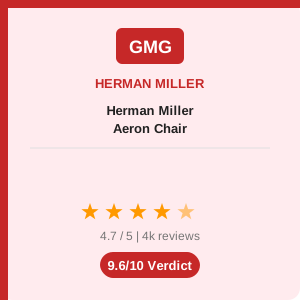
Herman Miller Aeron Chair
The benchmark ergonomic chair. Used in every major game studio. 12-year warranty. Designed for 8+ hours.
Check Price on Amazon ↗ Full Review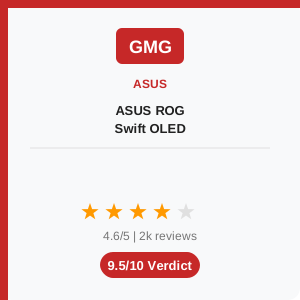
ASUS ROG Swift OLED PG32UCDM 4K 240Hz
32" 4K OLED 240Hz, 0.03ms, HDMI 2.1, Thunderbolt 4, 99% DCI-P3. The 4K OLED gaming pinnacle.
Check Price on Amazon ↗ Full Review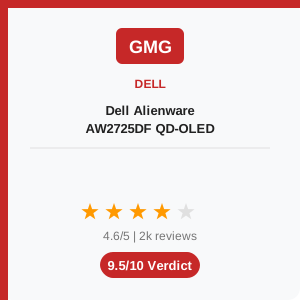
Dell Alienware AW2725DF QD-OLED Monitor
27" 1440p 360Hz QD-OLED, 0.03ms, Infinity Core lighting. The ultimate competitive OLED.
Full Review →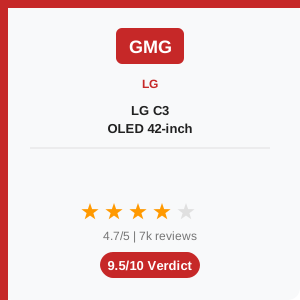
LG C3 OLED 42-inch Gaming TV/Monitor
OLED evo, 120Hz, VRR, 4K, 0.1ms, Dolby Vision Gaming, G-Sync Compatible. The screen upgrade.
Full Review →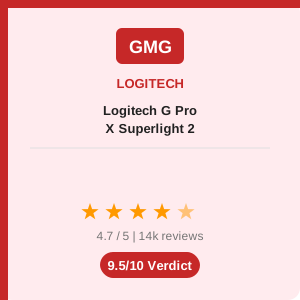
Logitech G Pro X Superlight 2
60g. HERO 2 sensor. LIGHTSPEED wireless. Used by more pro esports players than any other mouse.
Full Review →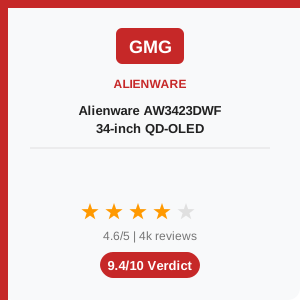
Alienware AW3423DWF 34-inch QD-OLED Ultrawide
34" 3440x1440 QD-OLED 165Hz, 0.1ms, FreeSync Premium Pro, infinite contrast. The QD-OLED benchmark.
Full Review →As an Amazon Associate we earn from qualifying purchases. Links below are affiliate links.
Top Gaming on Amazon
Frequently Asked Questions
What should I look for when buying gaming?
Wireless vs Wired
What is the best Gaming Gear in 2026?
Herman Miller Aeron Chair currently rates highest in our research at 9.6/10. The benchmark ergonomic chair. Used in every major game studio. 12-year warranty. Designed for 8+ hours.
How long should gaming last?
Most gaming last around 5 years with normal use, though build quality and usage frequency both affect this significantly. Use the cost-per-year calculator below to compare options on a like-for-like basis rather than just sticker price.
Is it worth paying more for premium gaming?
Usually, if you'll use it regularly. A higher upfront price often pays for itself over a longer lifespan and fewer replacements — the calculator below makes this concrete by converting price into an annual cost. Sensor & Weight
How do you research gaming without lab testing?
We synthesise verified Amazon owner data (rating, review volume, and recurring themes in reviews) against manufacturer specifications and warranty terms. Every product needs 4.0+ stars and 200+ reviews before we'll recommend it. Full detail is on our methodology page.
What are the most common mistakes when buying gaming?
Buying on price alone without checking verified owner feedback, and skipping the 'who should NOT buy this' section in reviews. Our comparison pages exist specifically to stop you cross-shopping products that aren't actually direct rivals.